
Our
Strategy
A beacon of hope and progress
Our goals are to
1
Cultivate community engagement and ownership
2
Enable integrated human development
3
Create opportunities for economic participation
4
Foster safe and enabling environments
1
Cultivate community engagement and ownership
2
Enable integrated human development
3
Create opportunities for economic participation
4
Foster safe and enabling environments
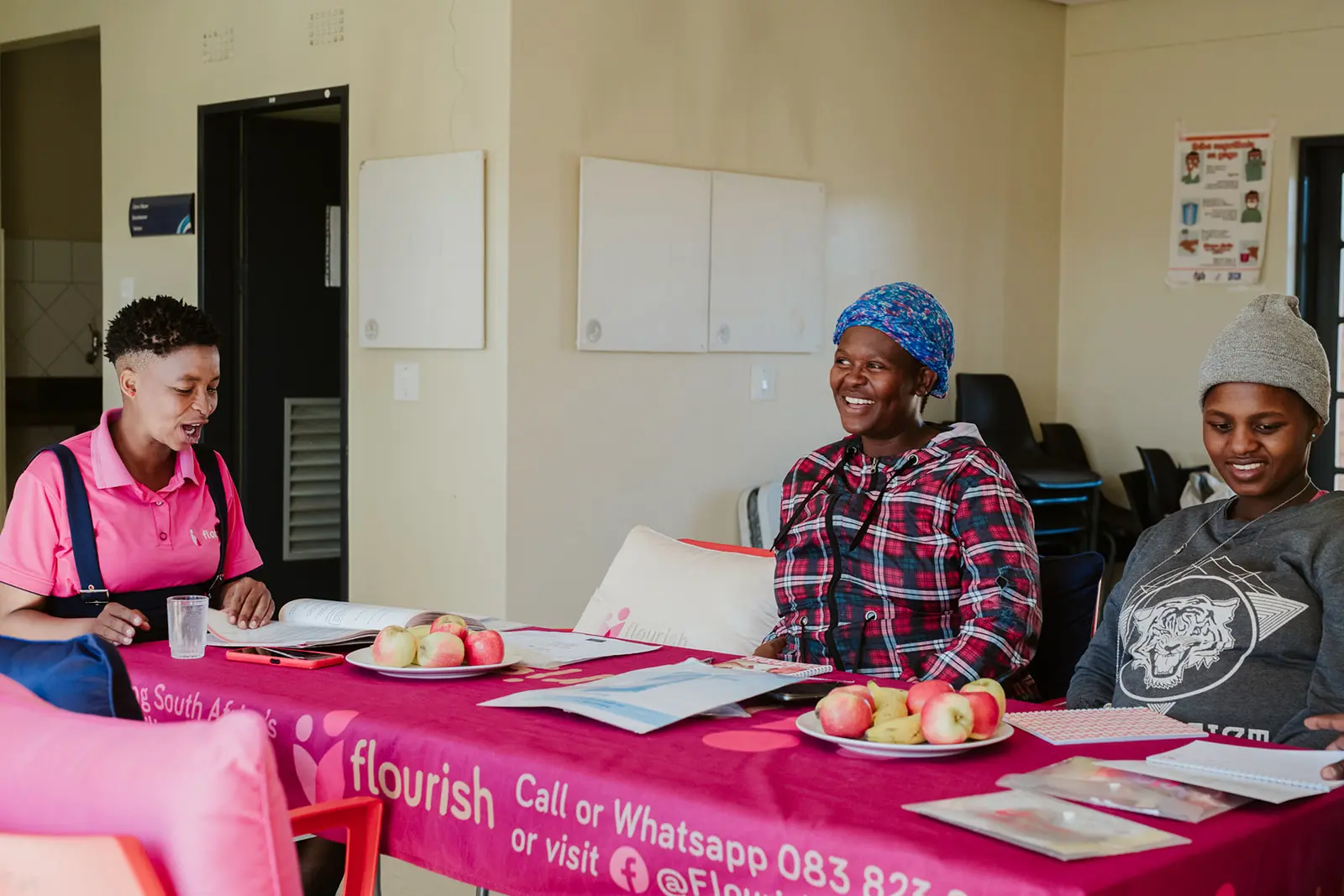
1. Cultivate community engagement and ownership
The sustainability of any programmatic intervention rests on local ownership and co-creation. People within the community are generally far more adept at articulating everyday barriers and enablers to maintaining their own health, education, and experience accessing opportunity than technical experts who live outside the system. Without an appreciation of local perspectives, expert-driven interventions are far less effective.
1. Cultivate community engagement and ownership
The sustainability of any programmatic intervention rests on local ownership and co-creation. People within the community are generally far more adept at articulating everyday barriers and enablers to maintaining their own health, education, and experience accessing opportunity than technical experts who live outside the system. Without an appreciation of local perspectives, expert-driven interventions are far less effective.
2. Enable the implementation of integrated human development programmes
Most South Africans living in rural areas or ‘poor’ communities face a number of challenges through various stages of life. This reality results in a system where those who “make it” are the exception. To turn things around, we believe that holistic investment from pre-conception to employment with an aim to close opportunity gaps and open pathways to self-sufficiency are critical.
With the active input of our community advisory committees, we support organisations which address specific challenges faced by people living in the communities from pre-conception to career. Our interventions support people during key life transitions can help promote upward mobility and help break the cycle of poverty.
2. Enable the implementation of integrated human development programmes
Most South Africans living in rural areas or ‘poor’ communities face a number of challenges through various stages of life. This reality results in a system where those who “make it” are the exception. To turn things around, we believe that holistic investment from pre-conception to employment with an aim to close opportunity gaps and open pathways to self-sufficiency are critical.
With the active input of our community advisory committees, we support organisations which address specific challenges faced by people living in the communities from pre-conception to career. Our interventions support people during key life transitions can help promote upward mobility and help break the cycle of poverty.
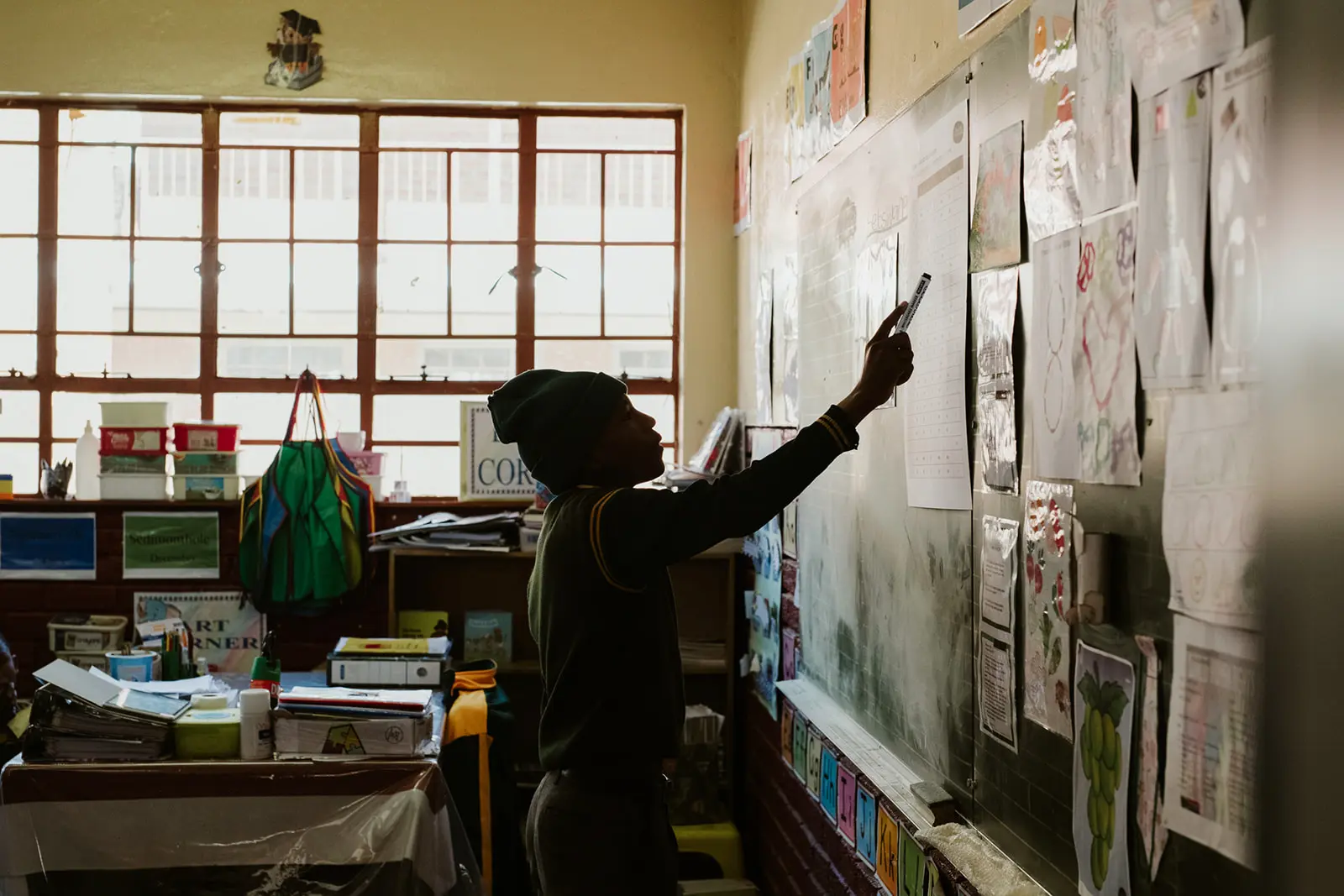
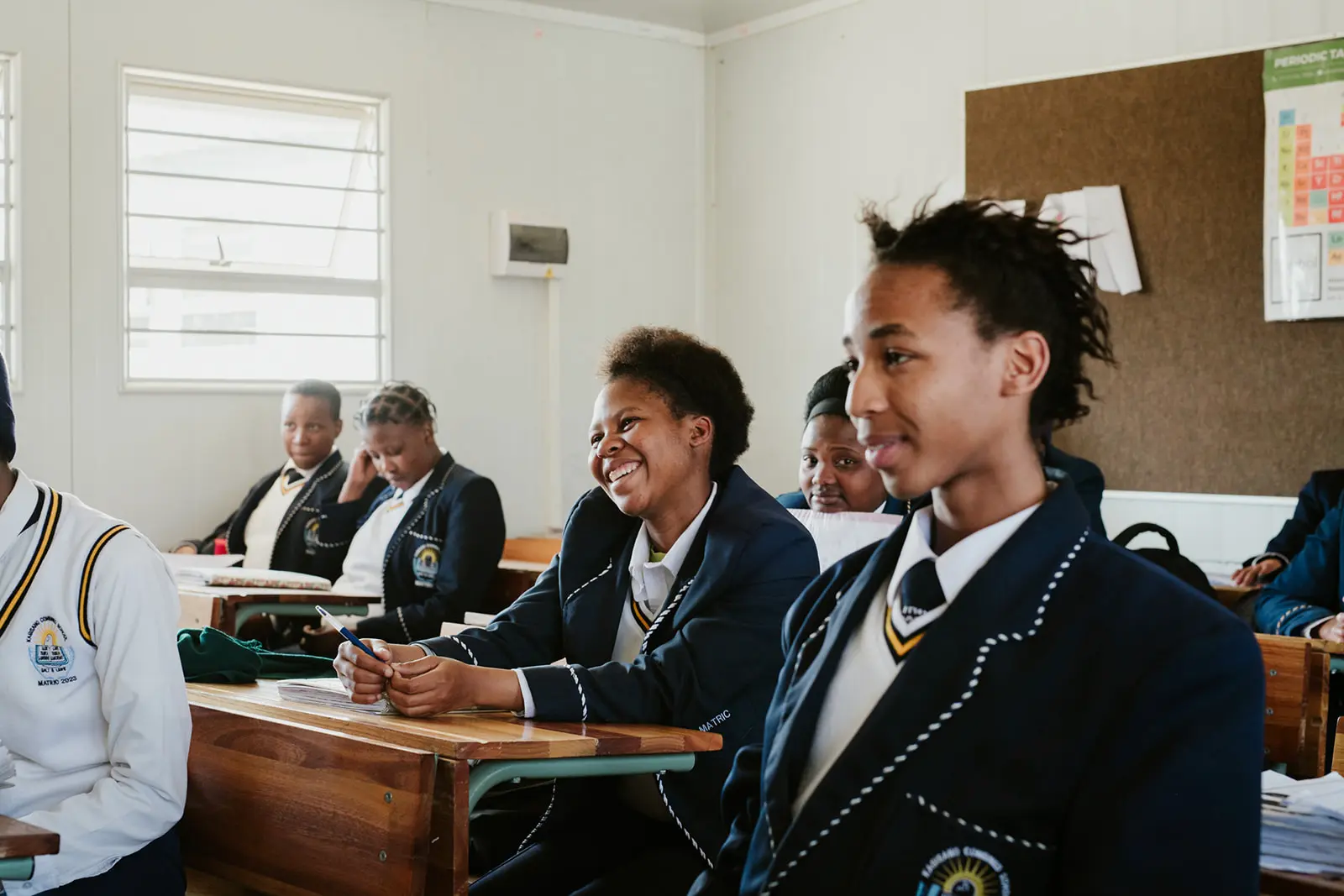
3. Create opportunities for economic participation
There is a limit to the number of jobs that can be accessed within the current status quo. This is true nationally for South Africa and hardest felt by young people from townships and rural communities. If we do not contribute to job creation locally, our skills and human capital development investments will not go very far in enabling young people to truly be self-sufficient adults and the unsustainable welfare state reality will perpetuate. One way of improving economic participation is through entrepreneurial training, another is through enterprise development initiatives.

4. Foster safe and enabling environments
Context matters. Societal issues like substance abuse and gender-based violence hinder our efforts to develop the potential of people in our communities. Similarly, when communities do not have access to basic services like clean water and good sanitation, both their health and their schooling outcomes are compromised. The broader context in which a life is lived needs to be safe and enabling.
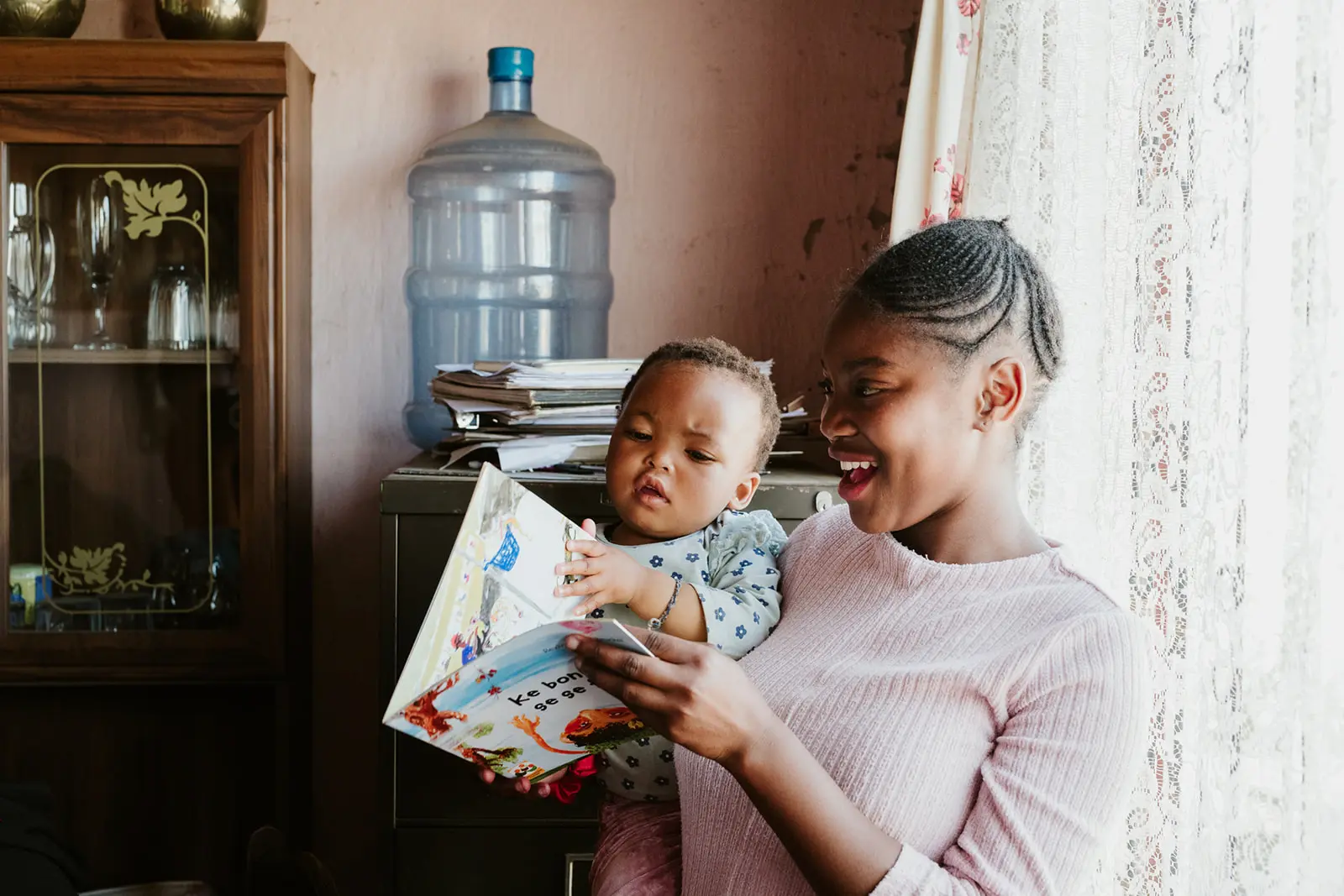
3. Create opportunities for economic participation
There is a limit to the number of jobs that can be accessed within the current status quo. This is true nationally for South Africa and hardest felt by young people from townships and rural communities. If we do not contribute to job creation locally, our skills and human capital development investments will not go very far in enabling young people to truly be self-sufficient adults and the unsustainable welfare state reality will perpetuate. One way of improving economic participation is through entrepreneurial training, another is through enterprise development initiatives.

4. Foster safe and enabling environments
Context matters. Societal issues like substance abuse and gender-based violence hinder our efforts to develop the potential of people in our communities. Similarly, when communities do not have access to basic services like clean water and good sanitation, both their health and their schooling outcomes are compromised. The broader context in which a life is lived needs to be safe and enabling.